
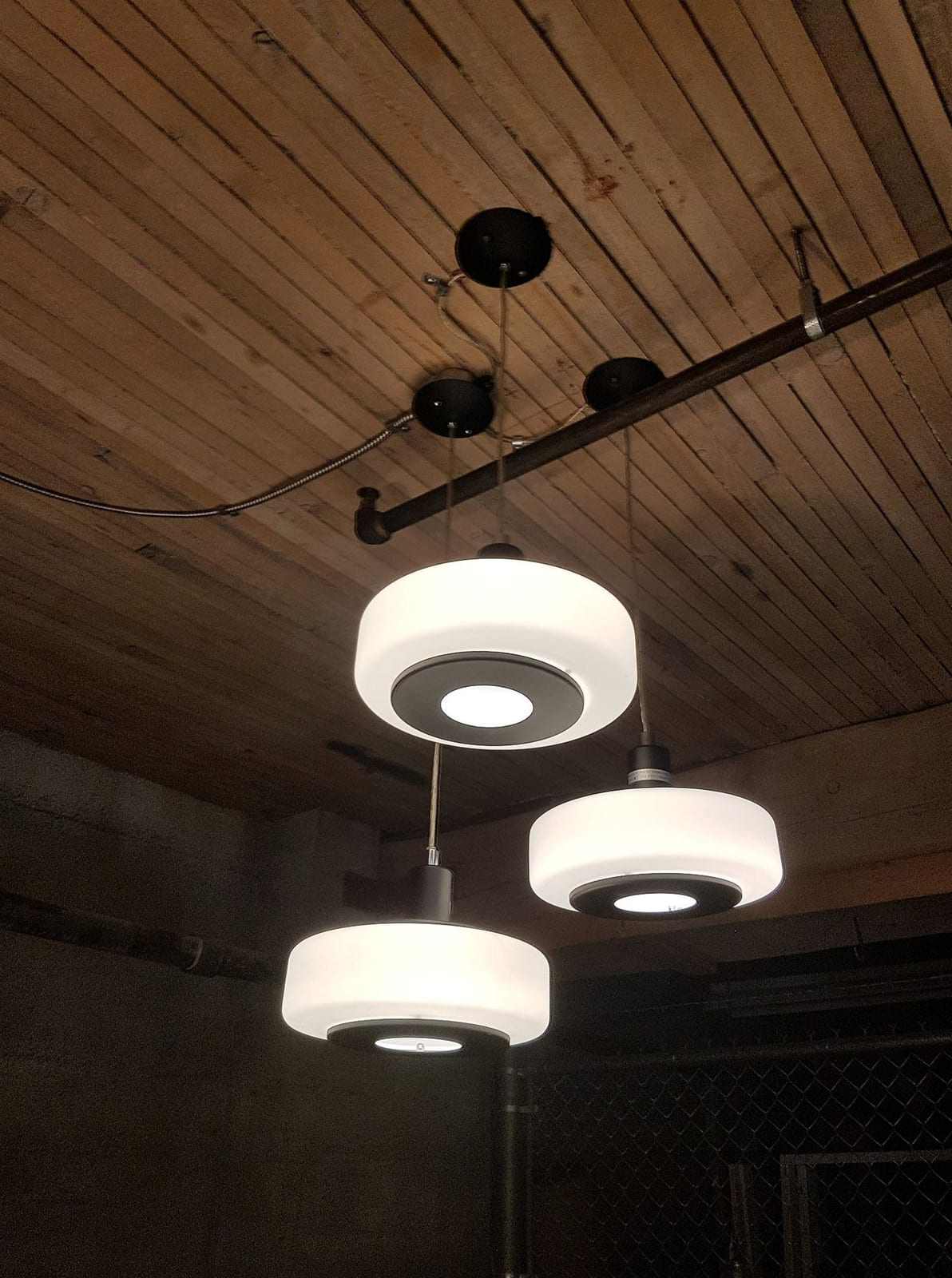
Electrical Services in Columbus
Polaris Electric works in houses, rental properties and small commercial spaces across Columbus. Most of that work is panel upgrades, because so much of the city’s older housing still runs on fuse boxes or 100-amp panels. Around the panels sit the jobs that keep a building working: faults traced and fixed, new circuits for cars and appliances, and outlets, lights and fans put right.
Small repairs are taken on as readily as large jobs. If a circuit is acting up or the house needs more capacity, call and we will take a look.
The Main Jobs, Starting at the Panel
Each of these jobs begins with one question: can the panel carry what the building asks of it? The answer decides whether the work is a new circuit, a repair or a bigger change, and new circuits and panel changes normally need a permit and an inspection from the city where the building sits.
- Panel UpgradesFuse boxes and 100-amp panels replaced so the house can carry central air, electric cooking and a charger.
- Rewiring & RepairFlickers, warm outlets and worn-out wiring traced to the cause, then repaired or replaced.
- EV ChargersA dedicated 240-volt circuit and a charger or outlet where the car parks, at home or at work.
- Everyday RepairsDead outlets, switches, lights, ceiling fans, smoke alarms and surge protection.
Which Service Fits the Problem
A symptom points to a likely service, but the cause decides the fix. A breaker that trips every evening can be an overloaded circuit, a worn breaker or a loose connection, and each one calls for different work.
| Service | Best for | Common signs you need it | Page link |
|---|---|---|---|
| Panel upgrades | Houses on a fuse box or a 60- or 100-amp panel, and buildings about to add a large load | Breakers that trip when two big appliances run, fuses that blow, a panel that buzzes or runs warm, no spaces left for new circuits | Panel Upgrades |
| Rewiring and repair | Older wiring, damaged circuits and faults that keep coming back | Flickering or dimming lights, warm outlets or switch plates, a burning smell, two-prong outlets, outlets that went dead | Rewiring & Repair |
| EV charger circuits | Drivers who park at home, and small workplaces adding a charging spot | A new or planned electric car, slow charging from a standard outlet, an extension cord run out to the driveway | EV Chargers |
| Everyday work | Single repairs and small installs anywhere in the building | A dead outlet, a loose switch, a fixture or fan to hang, smoke alarms more than ten years old | Everyday Work |
Outlets, Lights, Fans and Other Everyday Jobs
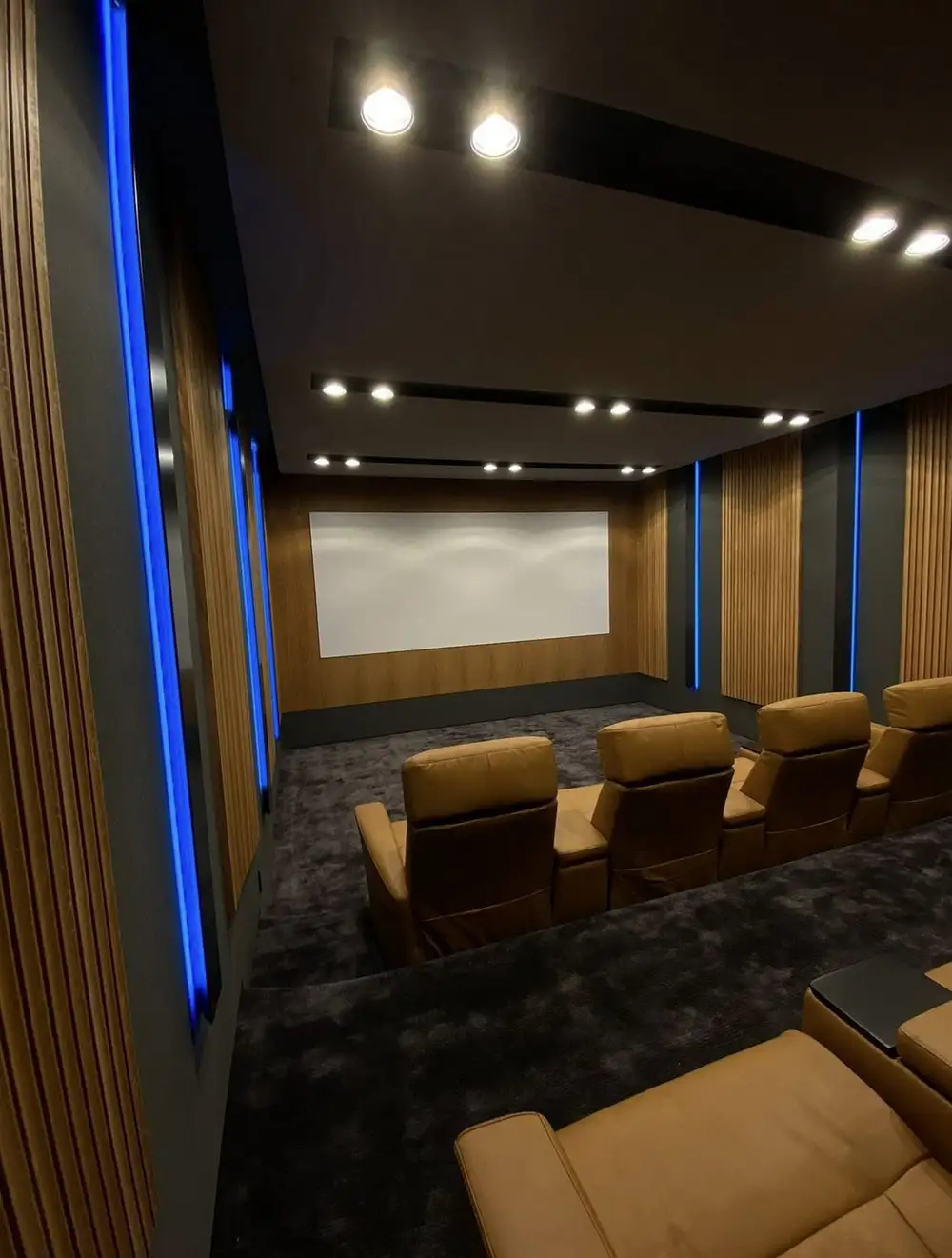
Not every call is a project. Plenty start with one dead outlet, a switch that stopped working or a fan that needs hanging, and those jobs get the same care as a panel change. The fault is traced to its cause instead of patched at the outlet.
Small jobs often hide a bigger story. A fan that wobbles may be hanging from a box never rated for it, and an outlet that died may have a burned wire behind it. If several small things around the house need attention, name them all when you call, so they can be looked at together.
- Tripping breakers and dead outlets. Traced to the cause, whether that is an overloaded circuit, a tripped GFCI upstream or a loose connection.
- Outlet and switch replacement. Worn, cracked or loose devices replaced, and two-prong outlets swapped for grounded or GFCI-protected ones.
- Recessed lighting. Slim LED or can fixtures laid out for the room, IC-rated where insulation touches them, on a dimmer if you want one.
- Ceiling fans. Hung from a fan-rated box or brace, never from a plain light box.
- Whole-house surge protection. A protector at the panel that meets a surge where it enters, before it reaches the circuits.
- Smoke detector wiring. Hardwired, interconnected alarms, so one sounding sets off the rest.
- Generator hookups. An inlet and interlock for a portable generator, or a transfer switch for a standby unit, so it powers chosen circuits without feeding the utility’s lines.
Called for two small things, a ceiling fan install in the bedroom and a dead outlet in the hall. Once he got into the ceiling box it wasn't rated for a fan, so he had to put in a proper brace box, and the outlet had a backstabbed wire that burned through. Took a good chunk of the day and the bill reflected it. He showed me the old box and the wire though, so no complaints. Fan's solid. He also worked around my schedule without any fuss.
Worth Checking First
Four things anyone can safely note before calling, without opening the panel or touching a wire:
- Which outlets, lights or rooms are out, and whether the rest of the house still has power.
- Any GFCI outlet with a tripped reset button in a bathroom, the kitchen, the garage, the basement or outside: press it once, and leave it alone if it trips again.
- What was running when the power went, such as a space heater, the microwave or the air conditioner starting up.
- Any warmth, buzzing or burning smell at an outlet, a switch or the panel; if you notice one, stop using that circuit and call.
For the House, the Rental and the Shop
Homeowners call about the house they live in. Landlords call about rental units, where a dead circuit or an ungrounded outlet has to be sorted out between tenants or around them. Shops, offices and restaurants bring loads of their own, from display lighting to kitchen equipment, and circuits that cannot go down during business hours.
Some calls cannot wait for a quote. A burning smell, an outlet that is hot to the touch or part of the building without power calls for a phone call to (614) 963-3246, not a form.
Big Projects and Small Fixes Alike
A panel change, one dead outlet or a list of small fixes: describe the work and where the building is, and we will call or email you about it.