
Commercial Electrical Work in Columbus
We serve small commercial spaces such as shops, offices and restaurants, and landlords with rental buildings. The trade is the same as in a house. The stakes are not: a dead circuit can stop a register, let a walk-in cooler warm up or leave a tenant’s unit dark, and the people it affects are your customers and tenants.
The jobs are familiar ones: panel and subpanel upgrades, tripping breakers and dead outlets traced to the cause, new circuits, lighting, EV charging circuits and surge protection at the panel. What changes is the planning, because the building stays in use while the work goes on.
Electrical Needs by Type of Property
Each kind of building brings its own loads and its own code requirements. A restaurant kitchen draws far more than an office suite of the same size, and a building with apartments over a shop usually keeps each tenant on a separate meter and panel.
| Property type | Typical electrical needs | Related service page |
|---|---|---|
| Retail shop | Display and track lighting, outlets for registers and signs, circuits moved for a new layout | Everyday Work |
| Office suite | Circuits for workstations, printers and a break room, and breakers that trip as the space fills up | Rewiring & Repair |
| Restaurant | Dedicated circuits for kitchen equipment, GFCI protection across the kitchen, panel room for added appliances | Panel Upgrades |
| Storefront with apartments above | A panel for the shop and one for each unit, hall and stair lighting, old wiring on the upper floors | Rewiring & Repair |
| Rental house or double | Turnover repairs, grounded or GFCI-protected outlets, hardwired smoke alarms | Protection Options |
| Small apartment building | A subpanel for each unit, entry and parking lighting, service capacity for new loads | Panel Upgrades |
| Parking for staff or tenants | Level 2 charging circuits, outdoor-rated equipment and a load check on the service | EV Chargers |
Recurring Work for Property Managers
Managed buildings bring the same jobs back around. Planning for them, instead of meeting each one as a surprise, keeps units ready to rent and complaints down.
- Tenant turnover: every outlet and GFCI tested, cracked or painted-over devices replaced, smoke alarms checked and the unit’s panel labeled before the next lease starts.
- Lighting upgrades: LED fixtures for halls, stairwells, entries and parking areas, on photocells or timers so they are on when people need them.
- Panel and subpanel work: worn or undersized panels replaced, a subpanel added for a unit or a kitchen, and unlabeled breakers traced and marked.
- Code-compliance fixes: the items a fire inspection, an insurer’s report or a buyer’s inspection flags, such as missing GFCI protection, open junction boxes, missing cover plates, extension cords used as wiring and blocked panels.
Where old wiring runs through a whole building, a planned rewire, one unit at a time as leases turn over, ends the cycle of patching the same problems.
What a Commercial Request Should Mention
The more we know about the building at the start, the fewer surprises on the day. Put these in your Get a Quote request:
- The building type and how the space is used: retail, office, restaurant or rental units.
- The number of units or suites, and which of them the work touches.
- The access contact: who meets the electrician, and who holds keys to the electrical room, the panels and any locked units.
- Preferred timing: the hours and days that suit the business or the tenants, and any to avoid.
- Where the panels are, and whether their breakers are labeled.
- Any inspection report, notice or punch list, with photos if you have them.
Tenant Notice, Access and Timing
Most commercial jobs happen while the building stays open, so the planning turns on three things: who needs to know, who lets the electrician in, and when the power can go off.
Do tenants need notice before the power goes off?
Yes. Give them the date, the hours the power will be off and the units or circuits affected. Leases usually say how much notice a landlord gives before entering a unit, and a planned shutoff deserves at least that much. Tenants who work from home or rely on medical equipment may need more.
Who needs to be on site?
Someone who can open the electrical room, the panels and any unit the work reaches, and who can say which equipment may be switched off. In a restaurant that is often the kitchen manager, who knows what has to stay cold.
Can the work happen outside business hours?
Name the hours that suit the business when you request the work. The timing is then agreed for the job, before it starts.
Will the whole building lose power?
Not usually. Most repairs need one circuit off for part of a visit. Panel work takes down the circuits on that panel, and a service change takes the building off power while the power company disconnects and reconnects it. Knowing which applies is what makes good tenant notice possible.
How Commercial Wiring Differs From a House
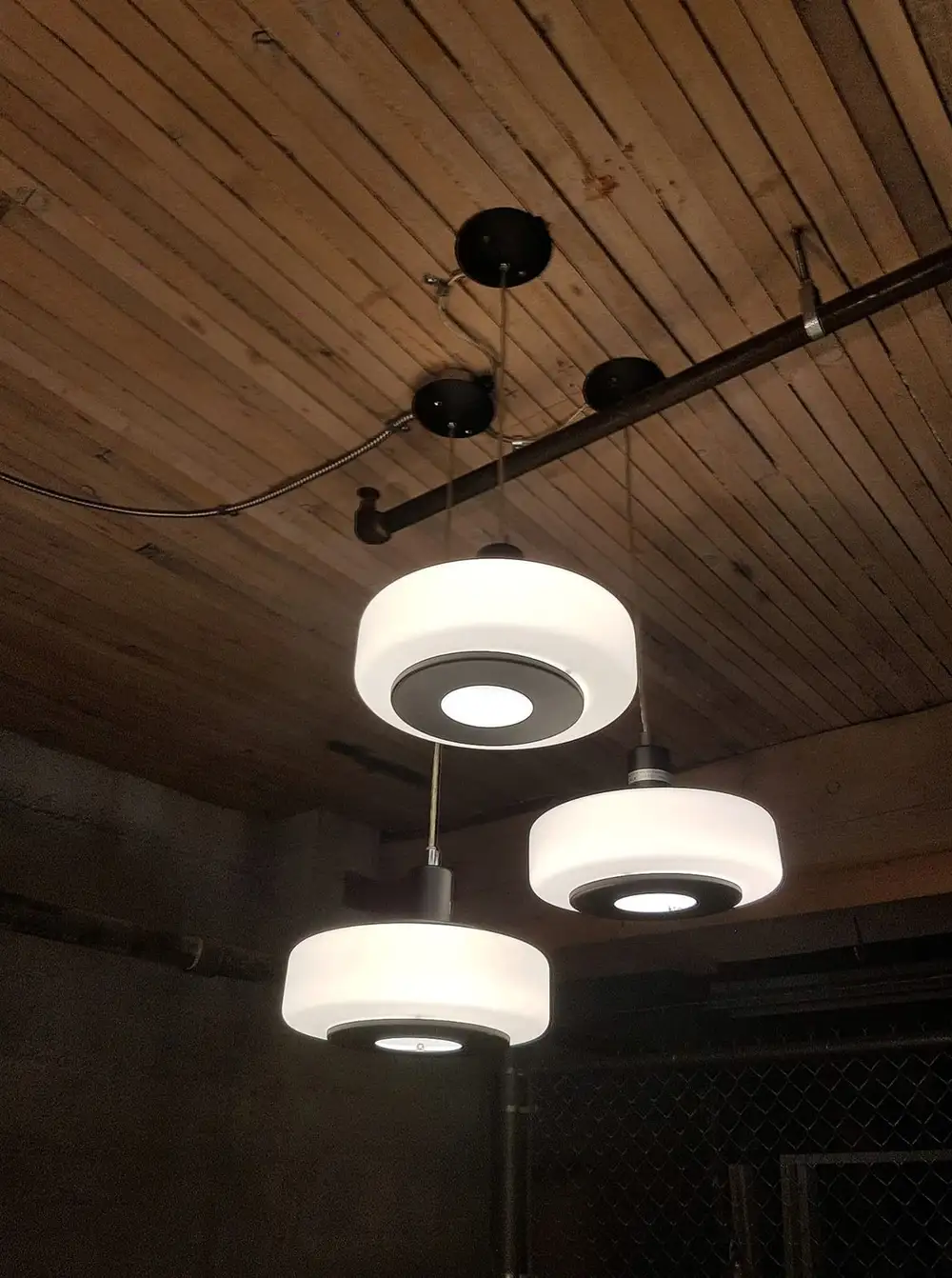
Commercial buildings often call for metal-clad cable or conduit where a house would use plastic-sheathed cable, and an open ceiling shows every run, so the routing has to be neat as well as sound. Many have three-phase service, with panels and breakers to match. A commercial kitchen needs GFCI protection at nearly every outlet, not only along the counters, and equipment such as a walk-in cooler or a dishwasher usually needs a circuit of its own.
Panels in older commercial spaces are often crowded with years of additions by different tenants, and their labels name rooms that no longer exist. Tracing and relabeling the breakers is often the first step of a job, and it pays off the next time something trips.
Plan Electrical Work for Your Building
Send the building type, the units involved and the timing that suits you, or call to talk the job through.